From its historic roots as ‘Cottonopolis’ to its modern status as a booming tech hub, Manchester exists in a constant state of production.
However, in 2026, a fascinating cultural tug-of-war is taking place in the living rooms and community spaces of Greater Manchester.
Residents are finding themselves torn between two very different ways of switching off: the effortless allure of digital entertainment and the gritty, rewarding challenge of analogue craftsmanship.
This divide reflects a deeper psychological need to balance the ephemeral nature of the digital world with something tangible.
Walk through the Northern Quarter or Ancoats on a rainy Tuesday evening, and you are just as likely to see heads bowed over pottery wheels as you are to see faces illuminated by the blue glow of smartphones in a tram carriage.
The resurgence of ‘making’ in Manchester is visible to anyone paying attention to the local events calendar.
Venues like the Manchester Craft & Design Centre (MCAD) in the Northern Quarter have become pivotal hubs in this movement, fostering a community that values the imperfections of handmade goods over the sleek precision of digital output.
These spaces have transformed into active classrooms where the smell of wet clay and the sound of looms provide a sensory antidote to the silent hum of a laptop.
Workshops that teach traditional skills such as weaving, woodworking, and glassblowing are booking out weeks in advance.
When a participant spends three hours glazing a ceramic bowl, they are left with a physical artifact of their time, a stark contrast to the fleeting satisfaction of a digital notification.
Despite the romantic appeal of the potter’s wheel, the digital realm remains the dominant force in Manchester’s leisure economy for one simple reason: unrivaled convenience.
Digital platforms offer a friction-free alternative that requires nothing more than a Wi-Fi connection and a comfortable sofa.
The sheer variety of entertainment available at the touch of a button means that every niche interest is catered to instantly, without the need for travel or equipment.
The modern home entertainment landscape is vast, encompassing everything from immersive video games to live-streamed events.
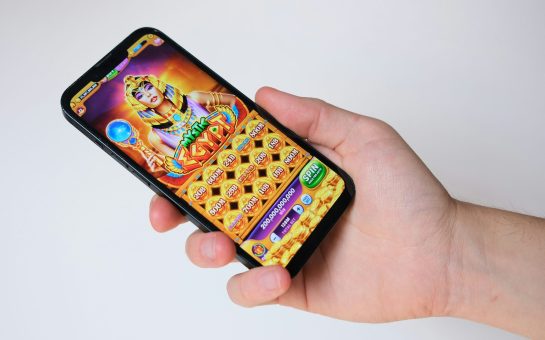
This accessibility is a powerful driver. For example, whether a resident wants to binge-watch a new documentary series, engage in multiplayer gaming, or play poker online to unwind, the digital ecosystem provides immediate engagement.
There is no setup time, no cleanup required, and no risk of a project failing to fire correctly in a kiln.
Algorithms curate content specifically for our tastes, ensuring that the next video or game suggestion is enticing enough to keep us logged in.
While a knitting pattern is static, a digital platform is dynamic, constantly evolving to match the user’s mood and preferences.
For many young professionals living in city-centre apartments, where space for messy crafts might be limited, the compact and clean nature of screen-based entertainment is often the default choice for relaxation.
Analogue hobbies often require a significant upfront investment. High-quality materials, specialist tools, and workshop fees can add up quickly, making certain crafts a luxury.
However, the market suggests people are willing to pay for this quality. Recent data indicates that the global art and craft materials market is projected to reach over $24 billion in 2026, signaling that despite the cost, the demand for physical creative outlets is growing robustly.
In contrast, digital pastimes often operate on a subscription model, allowing for lower immediate costs but potentially higher long-term expenditure through microtransactions or monthly fees.
Money spent on a craft workshop is viewed as an investment in a skill and a physical object, whereas digital spending is often viewed as paying for access or service.
This economic distinction creates a divergence in demographics, with younger students perhaps leaning toward digital efficiency, while established professionals may invest more heavily in the ‘slow living’ aspect of craft.
Digital communities are vast and global, allowing a gamer in Salford to team up with a player in Seoul. However, the local craft scene fosters a deeper, hyper-local connection.
Events like the Great Northern Contemporary Craft Fair have proven this model’s resilience, with recent editions attracting over 150 exhibitors to Victoria Baths and drawing thousands of visitors.
Ultimately, the choice between analogue and digital is rarely binary for the average Manchester resident.
It is increasingly common to find people who spend their days coding or managing digital marketing campaigns, only to spend their weekends restoring furniture or screen-printing t-shirts.
This balance allows individuals to enjoy the efficiency of modern technology while preserving their mental well-being through tactile creativity.
The mental health benefits of this ‘switching off’ are becoming a central part of the conversation around urban living. Initiatives like the ‘Crafting Connections’ heritage workshops have highlighted how repetitive, tactile tasks can lower cortisol levels and improve mindfulness.
In a city that moves as fast as Manchester, these pockets of slow, deliberate activity are essential for preventing burnout.
Featured image credit: Earl Wilcox on Unsplash