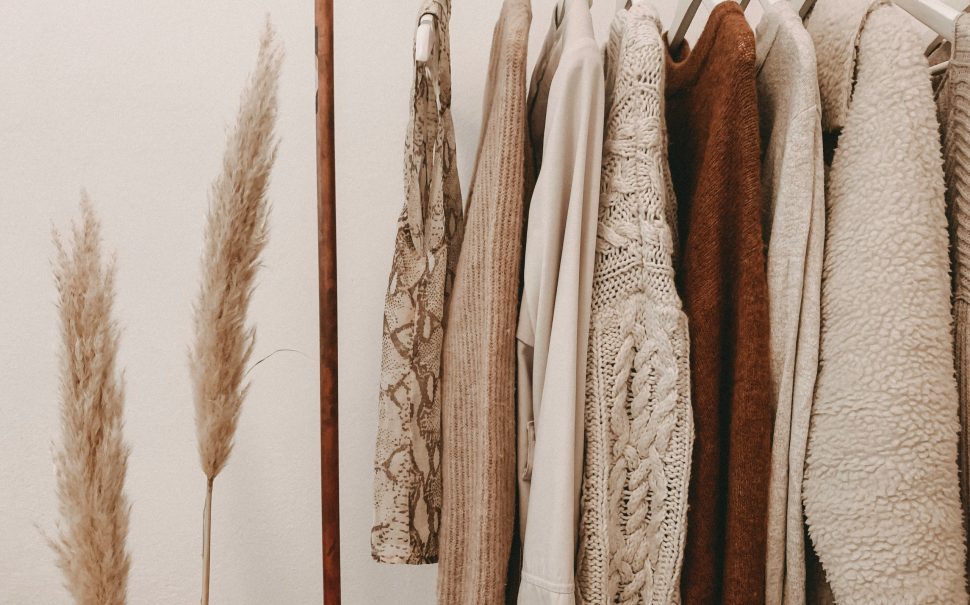
Fashion has always been a powerful form of self-expression.
From classic tailoring to modern streetwear, clothing allows people to communicate their personality, culture, and creativity without saying a word – and Manchester is no different.
Over the years, the fashion industry has evolved dramatically, influenced by technology, social media, sustainability movements, and changing consumer habits.
Today, fashion is no longer limited to runway shows or luxury boutiques. It is a global industry driven by online platforms, digital communities, and innovative design approaches that reach audiences around the world.
The evolution of fashion trends
Fashion trends have changed significantly throughout history. In earlier decades, styles were often dictated by major fashion houses and seasonal runway collections.
Designers in cities like Paris, Milan, London, and New York would introduce new looks that influenced global markets.
However, the modern fashion world is more diverse and democratic. Trends can emerge from anywhere such as social media influencers, street culture, music scenes, or even everyday individuals in places like Manchester who share their style online.
Digital platforms have made it possible for new designers and independent brands to showcase their work to a worldwide audience, creating a dynamic and constantly evolving fashion landscape.
The rise of streetwear
One of the most influential fashion movements of recent years is streetwear.
Originally inspired by skateboarding, hip-hop culture, and urban communities, streetwear has become a dominant force in the global fashion industry.
Streetwear focuses on comfort, individuality, and bold designs. Oversized hoodies, graphic T-shirts, sneakers, and casual jackets have become essential pieces in many wardrobes.
Luxury fashion houses have embraced streetwear aesthetics, collaborating with sportswear brands and artists to create limited-edition collections.
These collaborations often sell out quickly, demonstrating the powerful demand for unique and culturally relevant designs.
Sustainability in fashion
As environmental awareness grows, sustainability has become one of the most important topics in fashion.
Consumers, including those in Manchester, are increasingly concerned about how clothing is produced, the materials used, and the environmental impact of fast fashion.
Many brands are now focusing on eco-friendly practices such as:
● Using organic or recycled fabrics
● Reducing water consumption during production
● Supporting ethical labor practices
● Promoting clothing recycling programs
Sustainable fashion encourages consumers to buy fewer but higher-quality pieces that last longer.
This shift toward conscious consumption is reshaping the industry and inspiring designers to develop innovative materials and production methods.
Technology and fashion innovation
Technology has transformed how fashion is designed, produced, and sold.
Digital design tools allow designers to experiment with patterns and fabrics before creating physical garments.
This reduces waste and speeds up the development process.
Online shopping has also revolutionized the retail experience. Consumers can browse thousands of clothing options from around the world without leaving their homes.
Virtual fitting tools and augmented reality features are helping shoppers visualize how clothes will look before making a purchase.
Technology has even influenced fashion marketing. Social media campaigns, digital runway shows, and influencer collaborations have become essential strategies for reaching modern audiences.
The influence of social media
Social media platforms have changed the way people discover and follow fashion trends.
Influencers, stylists, and everyday fashion enthusiasts share outfit ideas, styling tips, and brand recommendations with millions of followers.
Platforms like Instagram, TikTok, and Pinterest have become digital fashion magazines where trends spread rapidly. A single viral post can introduce a new style that quickly gains global attention.
Social media also allows consumers to interact directly with brands, giving feedback and influencing future collections.
Personal style and individual expression
While trends play an important role in fashion, personal style is what truly defines how people dress. Individual expression allows people to mix different influences, colors, and clothing pieces to create unique looks.
Some individuals prefer minimalist fashion with neutral tones and clean lines. Others enjoy bold patterns, bright colors, and statement accessories.
The diversity of personal style is what makes fashion exciting and constantly evolving.
Experimenting with different styles helps individuals discover what makes them feel confident and comfortable.
Fashion and lifestyle culture
Fashion is closely connected to lifestyle culture, particularly in cities like Manchester.
Music, art, sports, and entertainment often inspire new clothing trends. Celebrities and athletes frequently influence what people wear, whether through red carpet appearances or casual street style.
The digital world has also expanded lifestyle entertainment in unexpected ways.
For example, certain online platforms combine lifestyle content with digital experiences that include gaming environments sometimes associated with services like an anonymous crypto casino UK, highlighting how modern internet culture connects various forms of entertainment and fashion-focused communities.
The importance of accessories
Accessories play a crucial role in completing a fashion look. Items such as watches, sunglasses, handbags, and jewelry can transform a simple outfit into a stylish statement.
Fashion experts often emphasize that accessories are one of the easiest ways to experiment with trends without changing an entire wardrobe.
A bold necklace, stylish belt, or designer bag can instantly elevate a basic outfit.
Seasonal accessories, such as scarves in winter or hats in summer, also add both functionality and style.
The future of fashion
The future of fashion will likely be shaped by continued technological innovation and sustainability efforts.
Designers are exploring digital clothing, virtual fashion shows, and even garments designed for use in online environments.
Artificial intelligence may also play a role in predicting trends and helping brands design collections that align with consumer preferences.
At the same time, ethical production and environmentally friendly materials will remain key priorities.
As global connectivity increases, fashion will continue to blend cultural influences from around the world, creating new and exciting styles.
Conclusion
Fashion is constantly evolving, reflecting cultural shifts, technological advancements, and individual creativity.
From sustainable design practices to digital fashion platforms, the industry continues to adapt to the needs and values of modern consumers.
While trends may change from season to season, the essence of fashion remains the same: self-expression, creativity, and the ability to communicate identity through clothing.
As the digital age continues to influence style and lifestyle culture, fashion will remain one of the most powerful forms of personal and cultural expression.
Feature image: Free to use from Unsplash