Manchester’s casino floors have operated through a period of substantial regulatory and urban change.
Since the Gambling Act 2005 came into force, the framework for licences, premises and oversight has been reorganised, while later reforms have altered how some venues may allocate space between gaming tables and machines. These changes affect the environment around the games, but they do not make individual outcomes predictable.
From members’ clubs to public licensing
Before the Gambling Act 2005 was implemented, casino entry in Great Britain generally involved membership and an advance application period. The subsequent framework removed that requirement and divided regulatory responsibilities between the Gambling Commission and local licensing authorities. The Commission oversees operating and personal licences, while councils deal with premises licences and local conditions.
In Manchester, the city council remains responsible for casino premises licensing. This does not mean that a council licence removes financial or behavioural risks; it establishes the legal conditions under which a venue may operate and provides mechanisms for supervision, review and enforcement. The change from the earlier club model therefore concerned access and regulatory structure rather than the mathematical nature of casino games.
The regional casino that was never built
Manchester was selected in 2007 as the proposed location for Britain’s first regional casino. The planned complex was widely described as a “supercasino” and was associated with claims about regeneration, employment and a much larger gaming floor. Those projections were political and economic estimates, not guaranteed outcomes.
The proposal was abandoned by the government in 2008 after sustained debate about its social effects, local development model and potential gambling-related harm. Because the venue was never built, the projected scale, employment figures and economic benefits cannot be treated as observed results.
Its cancellation left Manchester with the casino premises already operating under the established licensing framework rather than a single dominant regional venue. The episode is relevant less as a missed attraction than as an example of how gambling policy can become entangled with regeneration claims, public health concerns and local planning decisions.
How the regulatory framework affects casino floors today
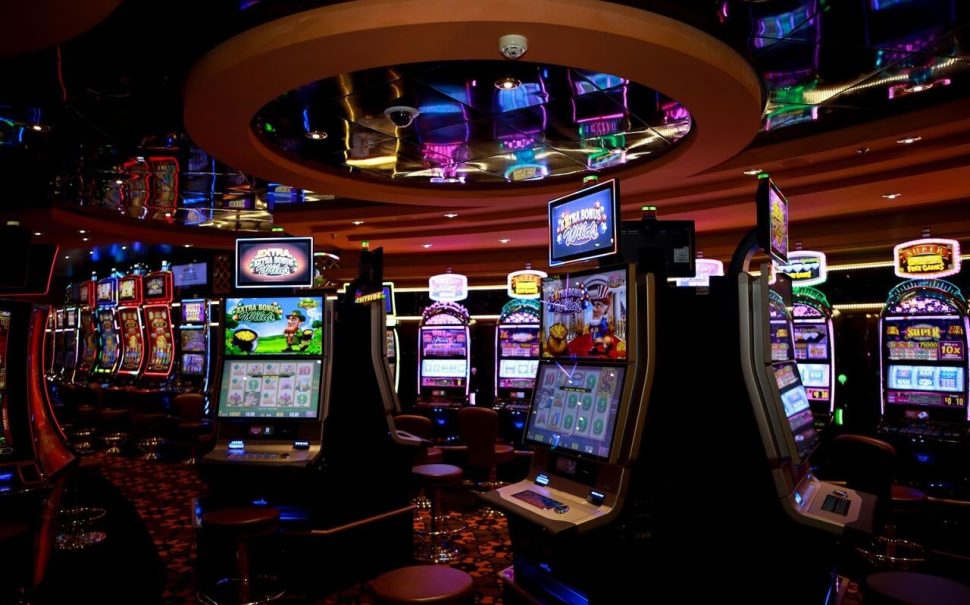
A further change took effect in July 2025. The new rules increased the permitted machine-to-table ratio for small casinos from 2:1 to 5:1 and reduced the minimum table-gaming area from 500 to 250 square metres. For some converted casino premises, machine allowances also became linked to floor area and the number of tables in use. These provisions allow different layouts; they do not require every venue to adopt the same mix.
Physical design can influence what visitors notice and how quickly activities are presented. Even so, the underlying probabilities of roulette remain tied to the rules of the game, including the wheel format and number of zero pockets. More machines, brighter interfaces or a reorganised floor do not make a future spin easier to anticipate, and previous spins do not create a debt that later outcomes must correct.
Manchester’s wider city-centre redevelopment has also changed the setting in which licensed venues operate, with new housing, commercial space and public-realm projects reshaping several districts. That urban transformation should not be confused with evidence that casino expansion produces a specific social or economic benefit. The more defensible conclusion is narrower: licensing systems and floor plans have changed, while chance, house advantage and the possibility of financial loss remain central features of the games themselves.
Featured Image Credit: Pexels – Elizabeth Ferreira