Forget the long-haired ghosts crawling out your TV – the real horror is happening in society, says Junko Takekawa.
The Senior Arts Programme Officer for the Japan Foundation shared her thoughts on the The Japan Foundation Touring Film Programme set to take place in Greater Manchester this month.
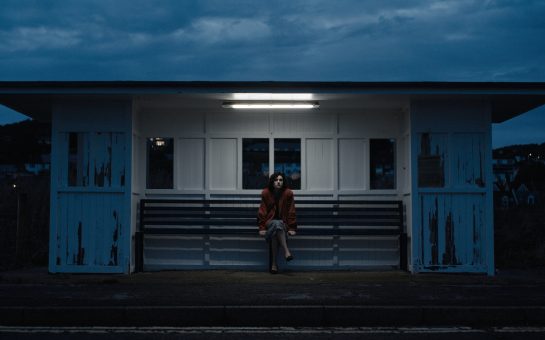
This year’s theme ‘Knowing Me, Knowing You: The True Self’ is set to put a twist on the classic Japanese Horror (J-horror) genre, with less focus on the supernatural and more on the psyche.
As the Japanese Film Festival prepares to haunt Greater Manchester, Junko Takekawa warns viewers that the real horror is the one hiding in our smartphones.
Speaking on the theme Takekawa said: “It’s a realistic depiction of what’s happening at the moment in society.
“It has been very interesting for filmmakers – I identify. It’s creating that scene with twists and turns that makes a story very interesting.
“There’s a lot of people who we don’t really know exactly who they are because life is so complex now.”
Takekawa believes that the shift reflects an evolving social climate. She notes that the UK news and political landscape are putting pressure on us to “stand firmly”.
She said: “It’s also quite divisive. I notice that even by watching UK news, politicians and other people say we really have to consider who we are to stand firmly on the ground.
“I completely agree with that because through social networking services, where there’s a lot of fake news and fake identities, images can be really manipulated very easily.
“When you see somebody on Instagram or X you really don’t know whether they are real people and there’s a lot of interesting films based on that.
“People started realising that the person who you knew for a long time may not actually be that same person you knew for a long time.
“It’s a kind of strange world at the moment that we live in.”
Even in 2026, where Artificial Intelligence commandeers many of our daily tasks, many of us still feel the analogue dread of a gritty videotape or the shrill of a 90s telephone ringing.
The organiser spoke on her choice to curate Missing Child Videotape – a 2024 meta horror about a man who finds mysterious videotape footage of a missing child.
“In my opinion, it’s because it’s not digital, so to speak. It’s not clean. There’s a nostalgic feeling attached to it.
“The Missing Child Videotape was meant to be related to J-horror, which was booming in the 1990s when people still embraced the VHS tapes.
“I think, in order to look back, the storyline of this film is a turnaround of a child that’s gone missing maybe ten or fifteen years ago.
“So, it’s really creating a nostalgic horror, rather than everything really shiny and clean and technological advancement is horror itself.”
Takekawa aims to put a twist on the classic supernatural stories and place a closer lens on the psychological effects horror can have on the mind.
She said: “Ghost stories are always old. If you are making that 21st Century ghost story, it’s always – even in this country – associated with old mansions or old deserted graveyards. They’re exactly the same.
“So, in terms of producing a scary, ominous atmosphere the Missing Child Videotape was very important as a plot.”
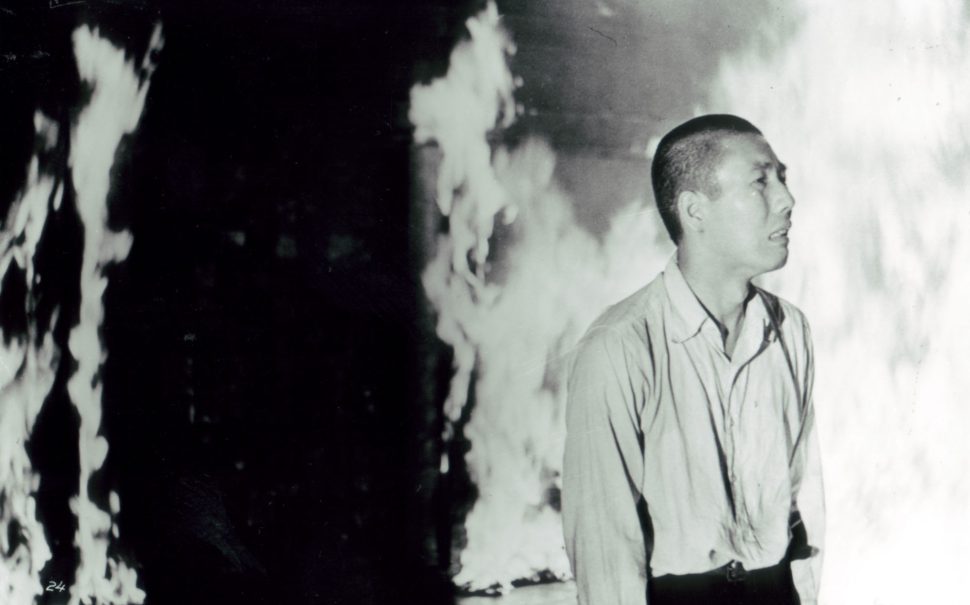
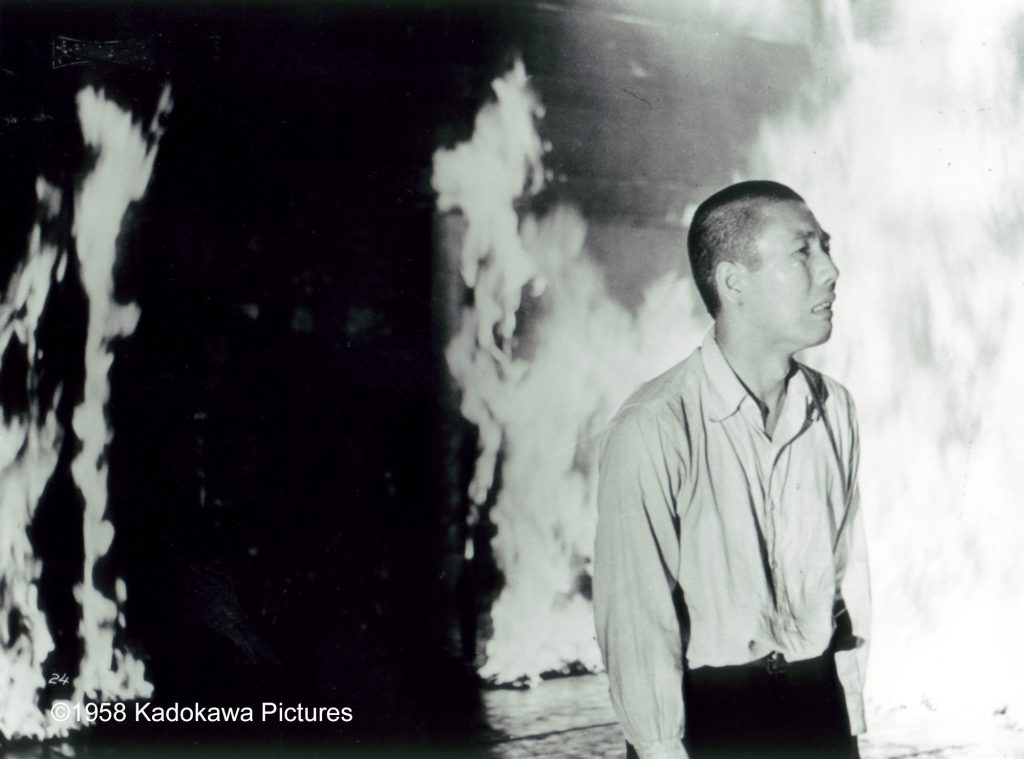
Takekawa also commented on her surprise at director Daihachi’s artistic choice to make Teki Cometh a monochrome film to blur the lines between fantasy and reality.
The film is based on a 1998 novel written by Yasutaka Tsutsui and entails a retired professor who contemplates suicide as his money depletes, experiencing paranoid delusions.
She said:” I was very surprised that it was made in black and white but it actually produced that environment.
“We know that black and white is always associated with classic films – I guess that the director probably needed to go through a very difficult job – without changing the scene – he had to render the actual reality versus the world in his mind.
“Black and white made that kind of fuzziness of reality and fantasy in his mind – it blended very well in the film.”
However, Takekawa agrees that J-horror is shifting towards the internal terror of our own identities.
“[Tsutsui] was really good at producing novels about dystopia and black humour. Teki Cometh is more like sci-fi, in my opinion.
“[He] was really good at producing dystopia and black humour about human beings.
“I wouldn’t categorise Teki Cometh as horror but it’s probably, in a way, horror in a way that you may be possessed by some kind of fantasy all of a sudden.
“You think your life is perfect and nearly complete but all of a sudden unexpected things happen. It’s really, really scary for the person that was possessed.
“This is a world that could happen to anybody.”
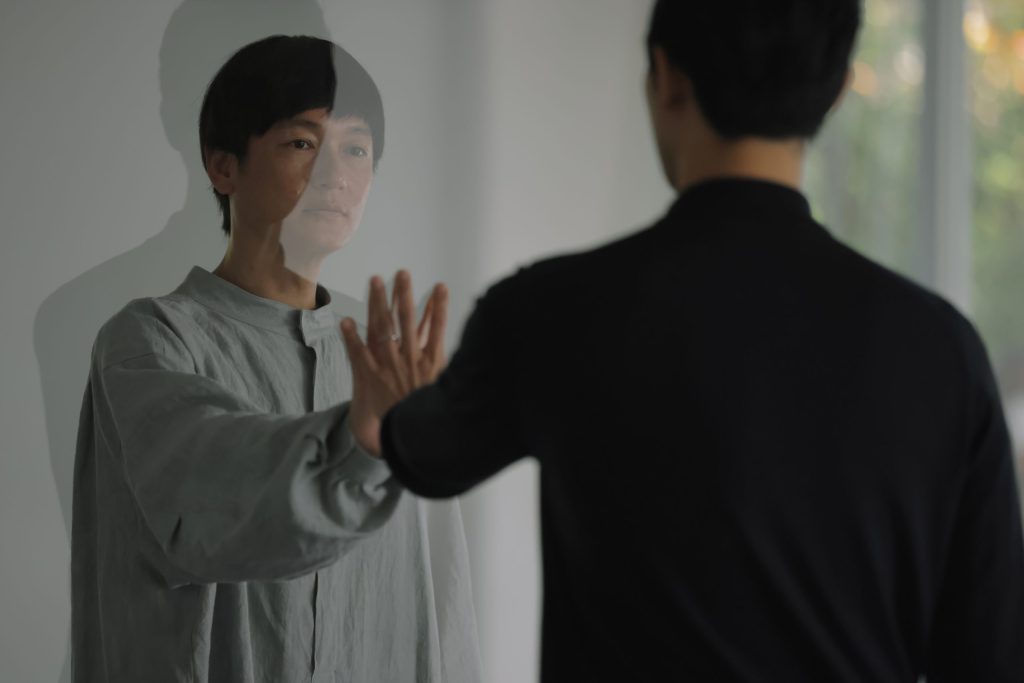
However, Takekawa believes that Japanese film can act as a bridge between Manchester and Tokyo. She shared her delight in the surprising appetite for Japanese cinema – particularly A Bad Summer which focuses on a caseworker who discovers that his colleague is exploiting a single mother.
She said: “Abusing social benefits is not an issue in Japan. A Bad Summer has two layers, so to speak.
“One is, there are people that abuse social benefits. The other layer is ostensibly or believing in very sincere earnestness that a civil servant is working under the law but those two layers – when they meet each other – that’s a boundary between who is right and who is wrong.
“It’s completely blended in. All of a sudden, that used-to-be very earnest civil servant is stepping into that other world.”
She warns: “This world could happen – not just here in Japan but Manchester as well and it’s a really realistic depiction of what’s happening at the moment in society.”
Takekawa touched on the shock of how successful Japanese films have become in Manchester in the lead up to the festival.
The festival programmer shared: “I’m very happily surprised to have more expansion in the Manchester area.
“They are always really enthusiastic about Japanese films – particularly the young generation.
“It’s a really good thing. We have a young ambassador system for which those under thirty can apply to see the films in exchange for making a report.
“In Manchester, we have an obligation [to show the films to locals]. People are really eager to see Japanese films, so I’m very pleased.
“I hope that this tradition continues for many years to come.”
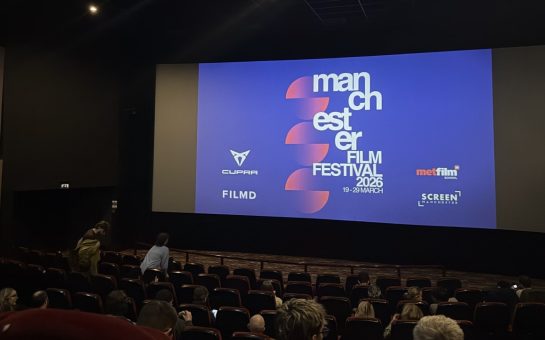
The Japan Foundation Touring Film Programme 2026 takes place across Greater Manchester (Manchester, Altrincham, Leigh) between February 6 and 27 March.
The programme will also feature LGBTQ+ drama, martial arts and anime films.
The full programme can be viewed on the HOME website.
Main image credit: © 1958 Kadokawa Pictures