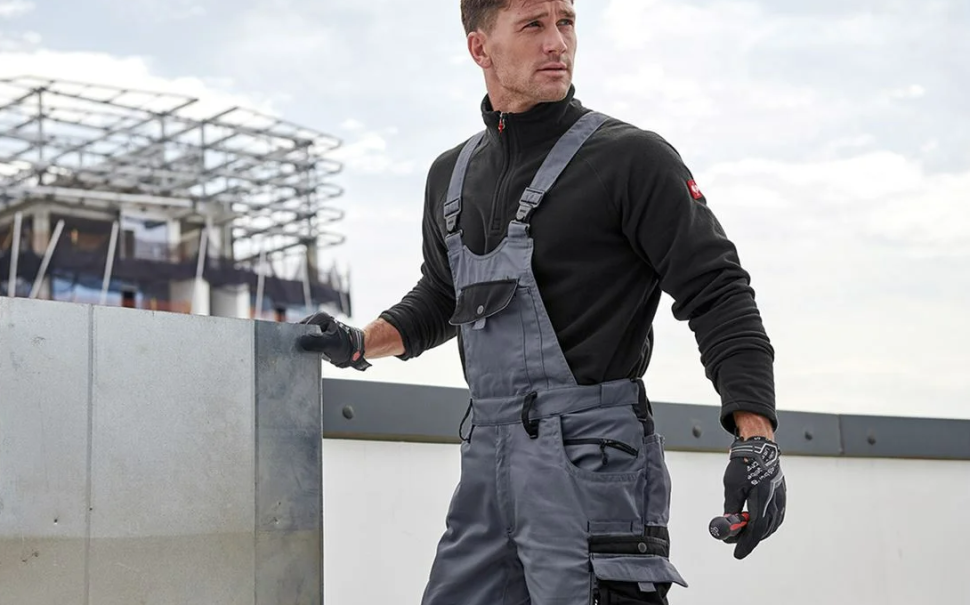
For many years, personal protective equipment (PPE) was viewed primarily as a matter of compliance, with workers expected to wear the safety gear required for their role. Today, however, work clothing has evolved beyond basic protection, with engineered fabrics and advanced features designed to improve comfort, flexibility and functionality alongside safety.
What is next-generation PPE?
Next-generation personal protective equipment refers to high-performance work clothing and gear, developed to serve trades and site crews operating in dangerous or demanding conditions. Manufacturers such as Strauss now offer workwear designed for different trades and working environments, combining protective features with materials and designs intended to improve flexibility, functionality and comfort. Most importantly, they go above and beyond to not just cover the basic safety requirements, but also meet the specific needs of each job.
For instance, their next-generation safety footwear features standard steel toe cap protection and an anti-slip sole, as well as additional high-tech properties, including antistatic properties and resistance to heat, fuel and abrasion. They’re also designed for all-day comfort, with features such as ergonomic, anatomically shaped insoles, breathable inner linings and materials designed to provide protection against the elements.
Modern high-vis bib and brace designs can also take into account the different positions workers adopt throughout the day, including kneeling, bending, stretching and reaching. Features such as stretch panels, adjustable straps and reinforced areas can help improve freedom of movement while maintaining the required level of protection.
What are the current UK site safety standards for construction work clothing?
The baseline for PPE requirements in the UK is set out in the Personal Protective Equipment at Work Regulations and related guidance from the HSE. The regulations place responsibility on employers, who must carry out regular risk assessments and provide suitable PPE to their employees, including those on flexible or contract arrangements and those with disabilities (as per 2022 extension). Depending on the type of protection required, PPE may need to meet relevant product-specific standards, such as EN ISO 13688 for general protective clothing, EN ISO 20471 for high-visibility clothing, EN ISO 20345 for safety footwear and EN 397 for industrial safety helmets.
How is next-generation PPE improving worker safety on modern job sites?
Next-generation PPE is designed for proactive hazard mitigation, looking further ahead than general safety risks. While traditional kit is primarily focused on protecting workers from the obvious incidents (e.g. trips and falls, heavy objects, harmful particles, high temperatures, etc.), high-tech workwear also looks after long-term occupational health. By improving fit, freedom of movement and day-long comfort, well-designed workwear may also help reduce unnecessary strain during physically demanding tasks.
Moreover, next-generation PPE can provide a more precise fit, with gear designed to accommodate different body shapes rather than relying on standard one-size-fits-all designs. For example, a next-generation forestry helmet comes with adjustable head width, patented memory size adjustment, integrated movable ear muffs and an all-round vision visor.
The new standard
As construction activity continues to grow in Manchester and other parts of the UK, employers are under increasing pressure to provide workplaces that are not only compliant with minimum safety requirements but also practical and comfortable for the people working in them.
Featured image credit: Strauss