Scroll through social media for five minutes, and you are bound to encounter the “slow living” aesthetic. It is a world of beige linen, hand-ground coffee beans, and mornings spent staring thoughtfully out of a window at a dewy meadow.
It looks peaceful, certainly. It looks restorative. But for anyone actually living and working in Manchester in 2026, it also looks entirely impossible.
The reality of our city is not soft focus and silence; it is the screech of the tram, the constant hum of construction, and the energetic bustle of a metropolis that never really stops.
Trying to force a rural, slow-paced lifestyle onto a rapidly expanding urban hub is like trying to fit a square peg into a round hole. It doesn’t just fail; it causes friction.
For Mancunians, speed isn’t the enemy of wellbeing. In fact, efficiency is the very thing that keeps the city functioning.
We don’t rush because we are stressed; we rush because there is simply so much happening, and standing still means getting left behind.
The narrative that we need to “slow down” to find happiness ignores the fundamental nature of Manchester’s industrial soul and its modern ambition.
Expecting instant service across all life sectors
Across sectors, users have an expectation of speed. It has permeated every aspect of how we interact with services, entertainment, and retail.
The modern Mancunian consumer has been trained to expect immediacy, and frankly, we have little patience for friction. Whether it is tapping a card for the Metrolink or ordering groceries for delivery within the hour, we prioritize services that respect our time.
This shift in consumer psychology is evident in how we judge the quality of a business. Trust is now closely linked to velocity.
If an app crashes or a payment hangs in limbo, we assume the service is unreliable. This is particularly true in the digital entertainment sector, where consumers now demand immediacy in every interaction.
Gambling Insider’s analysis of withdrawal speeds confirms that users prioritise online casinos that respect their time with rapid transactions, setting a new bar for all digital services.
When a service works instantly, it becomes invisible, allowing us to move on with our day. When it is slow, it becomes an obstacle. The “slow living” advocate might argue that waiting builds character, but in a city that runs 24/7, waiting just builds frustration.
We want our banking to be instant so we don’t have to think about it. We want our transport updates in real-time so we aren’t left standing in the rain. Speed provides the certainty we need to plan our lives.
The disconnect between slow living and city reality
The primary reason the slow living trend falls flat here is simple demographics. Manchester is experiencing a period of growth that makes a leisurely pace structurally impossible.
We are not a sleepy town anymore; we are a booming economic capital. According to recent data, Manchester’s population rose by over 20% between 2011 and 2023, a figure that is substantially ahead of the national average growth of 6.5%.
This influx of people creates a kinetic energy that defines the city’s atmosphere. You can feel it walking down Market Street or trying to squeeze into a Northern Quarter bar on a Thursday evening.
The infrastructure is constantly playing catch-up with the headcount, meaning that navigating the city requires alertness and agility, not a meandering stroll.
Furthermore, the density of the city centre has transformed how we interact with our environment. Forecasts indicated that 100,000 people would be living in the city centre by 2026, creating a highly concentrated hub of activity.
In such a dense environment, “slow living” often translates to “being in the way.” The collective rhythm of the city is fast because it has to be; thousands of people are trying to get to work, get home, or get to the next event simultaneously. Disrupting that flow isn’t mindful; it’s just impractical.
How digital efficiency actually creates more free time
The counter-argument to slow living is not chaos, but efficiency. The romanticization of doing things “the long way” often ignores the reality that time is our most precious currency.
In a city as expensive and competitive as Manchester, digital tools that speed up daily tasks are not burdens—they are liberators. They shave minutes and hours off administrative drudgery so we can actually enjoy our downtime.
Nowhere is this more evident than in the property market. The idea of taking your time to find a home is a relic of the past.
With average rents reaching £1,291 per month recently, driven by intense demand and limited supply, the housing market moves at lightning speed. Prospective tenants don’t have the luxury of mulling over a decision for days.
In this context, digital speed is a survival skill. Instant notifications from property apps, digital document signing, and immediate bank transfers are the only way to secure a roof over your head.
If you adopted a “slow living” approach to renting in Manchester—waiting to view a property in person next week, or mailing a physical check—you would simply end up homeless. Embracing speed in these administrative areas allows us to navigate the pressures of the city without being crushed by them.
Finding peace within the pace of the city
Rejecting the slow living trend does not mean we are opposed to relaxation. It just means we find our peace differently.
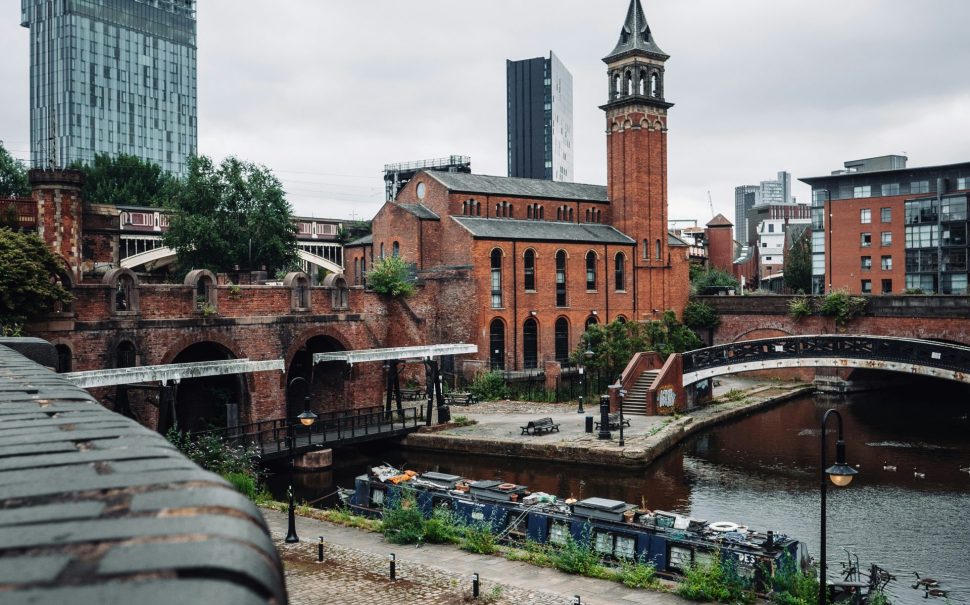
In Manchester, relaxation isn’t about pretending we live in a cottage in the Cotswolds. It is about carving out high-quality moments amidst the buzz. It is the quiet pint in a corner of a busy pub, or the walk along the canal while the city hums in the background.
We don’t need to slow down our entire existence to find balance. Instead, we use the city’s pace to our advantage. We use the efficiency of the tram network to get to the peaks of the Peak District on the weekend.
We use fast internet and flexible working to finish our jobs by 4 PM on a Friday. We utilize the very speed that the slow living movement criticizes to buy ourselves time for the things that actually matter: friends, family, and culture.
Ultimately, Manchester is a city built on industry, innovation, and forward momentum. Trying to apply a filter of rural slowness to this environment feels inauthentic.
We are a city of worker bees, after all, and there is a unique kind of peace to be found in the hive—not by stopping, but by moving in sync with the energy around us.
Featured image credit: Chris Curry on Unsplash



Join the discussion