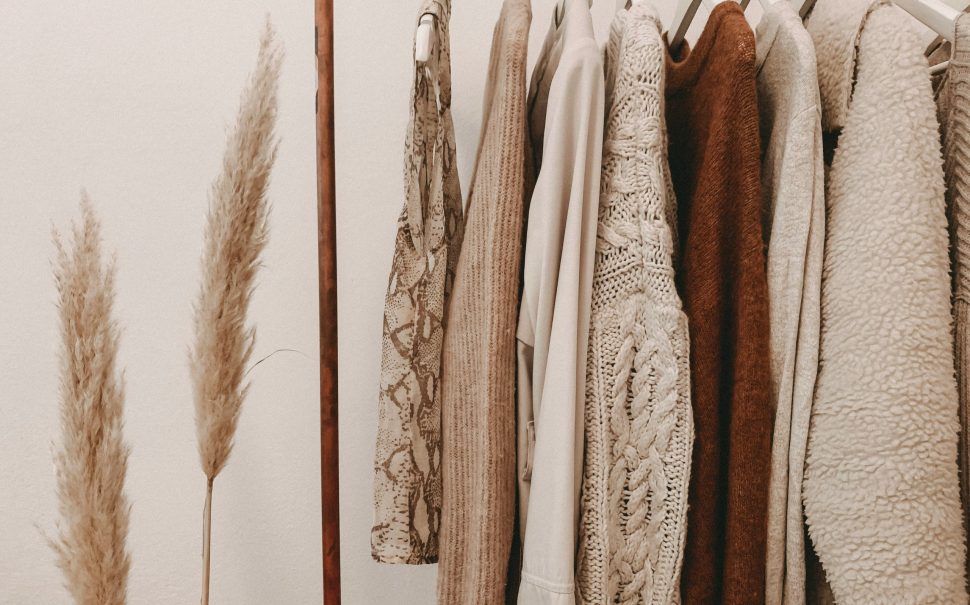
The clothes you wear carry far more weight than simple fabric and thread, since they quietly influence your confidence, your demeanour, and the way others respond to you throughout each day. Every morning, the act of choosing an outfit sets the tone for your entire day. Whether you reach for a crisp blazer that commands authority or a comfortable jumper that offers ease, that seemingly small decision, made in the quiet of your morning routine, quietly yet profoundly shapes how you carry yourself throughout the day, how others perceive you in professional and social settings, and ultimately how you feel about your own abilities. Britons report that clothing choices directly affect their confidence. The connection between clothing and inner confidence is far more than merely anecdotal. Researchers working across the fields of psychology and behavioural science have devoted years to carefully examining why certain garments make us feel utterly unstoppable, whilst others leave us feeling strangely invisible and diminished. Understanding this relationship can help you make more deliberate, empowering style decisions.
How your wardrobe choices shape inner confidence
The mirror effect: seeing yourself differently
Standing before a mirror in well-fitted clothing creates what psychologists call a positive feedback loop. You see a polished version of yourself, which triggers a subtle but measurable shift in self-perception. A tailored jacket, for instance, draws the eye to your shoulders and creates a structured silhouette that many associate with authority and competence. This is precisely why investing in quality pieces matters. Exploring Suits for men designed with precise cuts and premium materials can transform the way you present yourself in professional settings. The key lies not in spending excessively but in selecting garments that complement your body shape and personal aesthetic. When your reflection matches the version of yourself you aspire to be, confidence follows naturally.
Colour psychology and everyday dressing
Colour plays a remarkably powerful role in shaping how your clothing choices influence your mindset. Deep navy and charcoal convey calm authority, whilst brighter shades such as burgundy or emerald green signal boldness and creativity. Research conducted by the University of Hertfordshire found that participants who wore red clothing reported feeling noticeably more assertive and self-assured when they engaged in various social interactions. You needn’t overhaul your entire wardrobe to make the most of this knowledge. Simply introducing a single statement piece in a confidence-boosting colour, whether subtle or striking, can meaningfully shift your overall energy and self-assurance throughout the entire day. A well-chosen pocket square, vivid scarf, or coloured socks can serve as meaningful reminders of your intentional style choices.
The psychology behind dressing well and self-perception
Enclothed cognition: when clothes change your thinking
The concept of enclothed cognition, coined by researchers Hajo Adam and Adam Galinsky, demonstrates that clothing influences not just how others see you but how your brain actually functions. In their landmark study, participants wearing white lab coats performed better on attention-related tasks than those wearing street clothes. The symbolic meaning attached to the garment altered cognitive performance. Apply this principle to your daily routine: wearing a Tuxedo to a formal event does more than satisfy a dress code. It signals to your brain that you belong in that room, that the occasion warrants your best self. This mental shift is measurable and repeatable, making deliberate dressing a genuine tool for personal development rather than superficial vanity.
Identity and belonging through style
Fashion also serves as a powerful marker of identity and community. For many people across the United Kingdom, clothing choices reflect cultural heritage, professional aspirations, and personal values. The workplace provides a particularly revealing context. As explored in a feature where Black women shared their experiences navigating professional environments, appearance and dress codes can intersect with deeper issues of belonging and acceptance. Dressing in a way that honours your identity while meeting professional expectations requires balance, but achieving that balance frequently strengthens self-assurance. When your outward presentation aligns with your inner values, you move through the world with greater ease and conviction.
Why formal attire elevates your presence in any room
Formal clothing carries centuries of cultural weight and significance. A well-constructed suit or evening ensemble, when chosen with care and worn with confidence, communicates not only thorough preparation and genuine respect for the occasion at hand, but also a meticulous attention to detail that others are quick to recognise and appreciate. Studies published in the journal Social Psychological and Personality Science found that participants who wore formal clothing demonstrated notably higher levels of abstract thinking, whilst also reporting that they felt a considerably greater sense of personal power. This principle extends well beyond the realm of black-tie galas and formal evening events. Job interviews, important client meetings, and public speaking engagements all benefit considerably from thoughtful formal dressing, which conveys professionalism and ensures that one presents oneself with the appropriate level of seriousness and credibility. The physical sensation of wearing structured garments also matters. A well-fitted waistcoat naturally encourages you to hold your posture upright and stand with greater confidence. Polished shoes encourage a purposeful and confident stride. Physical cues reinforce psychological readiness in high-stakes moments.
Five practical steps to build a confidence-boosting wardrobe
Transforming your wardrobe into a source of genuine self-assurance does not require unlimited funds or a professional stylist. You should consider the following practical steps to get started:
- Audit your wardrobe honestly. Remove ill-fitting, uncomfortable, or negatively associated items that undermine your confidence.
- Invest in foundational pieces first. A well-tailored navy blazer, quality dark trousers, and versatile leather shoes form the backbone of an adaptable wardrobe.
- Prioritise fit above brand names. A well-fitting affordable shirt always outperforms an ill-fitting designer piece. Tailoring is surprisingly cheap and transformative.
- Develop a personal style signature. A recognisable element—be it colour palette, textured fabrics, or vintage accessories—builds consistency and self-recognition.
- Dress for your goals, not just your routine. Consider where you aspire to be professionally and socially, then weave aspirational wardrobe elements into your daily choices.
Beyond personal gain, it is worth noting that the broader social and ethical dimensions of the fashion industry also shape how we feel about our purchases. Choosing garments from responsible sources adds another layer of positive self-regard, knowing your style choices reflect thoughtful values.
From everyday style to black tie: unlocking your best self
The journey from casual dressing to intentional style is deeply personal, yet universally rewarding. You do not need to abandon comfort or spend hours deliberating over every outfit. Small, consistent upgrades compound over time. Replace a worn-out pair of trainers with something fresh and purposeful. Swap a shapeless hoodie for a structured knit that flatters your frame. These incremental changes build momentum. Fashion has also faced scrutiny regarding its broader priorities. A previous report examined how industry leaders were questioned about putting commercial interests above worker safety, reminding us that the clothing sector carries responsibilities extending well beyond aesthetics.
Ultimately, the connection between what you wear and how you feel is both scientifically supported and personally transformative. Your wardrobe is not merely a passive collection of clothes. Rather, it is an active and remarkably influential tool that shapes your posture, refines your thought patterns, and strengthens your willingness to step forward with confidence into challenging and demanding situations. Thoughtful clothing choices allow you to invest in something far more valuable than appearance. You invest in a bolder, more confident version of yourself.
Frequently Asked Questions
What type of business suits should I invest in to project professional confidence?
Contemporary Suits for men with modern cuts and structured shoulders create the most powerful psychological effect in business settings. SUITSUPPLY’s collection offers versatile options in navy and charcoal that work across industries and seniority levels. The key is selecting suits with clean lines and quality construction that enhance your natural posture and create an authoritative silhouette during meetings and presentations.
How can I build a confidence-boosting wardrobe on a limited budget?
Start with versatile foundation pieces rather than trendy items – a quality white shirt, well-fitted dark jeans, and a structured blazer create multiple confident outfit combinations. Shopping end-of-season sales and investing in classic cuts over fashion-forward designs ensures longevity. Focus on fit over labels, as properly tailored affordable clothing often looks better than expensive pieces that don’t suit your body shape.
What are the most common clothing mistakes that undermine confidence?
Wearing ill-fitting garments is the biggest confidence killer – clothes that are too loose create a sloppy appearance while overly tight pieces restrict movement and cause discomfort. Poor posture habits, mismatched formality levels, and neglecting basic grooming details like wrinkled fabrics or scuffed shoes also sabotage your psychological edge. These issues distract from your message and create subconscious doubt about your competence.
How do I maintain the psychological benefits of dressing well throughout a long workday?
Choose breathable fabrics and comfortable fits that maintain their structure after hours of wear – synthetic blends often wrinkle and lose shape by afternoon. Keep a spare shirt at the office and invest in quality undergarments that prevent shifting and bunching. Regular posture checks and brief mirror assessments help you reset your presence, as even the best outfit loses its psychological impact if you’re slouching or disheveled.
Where can I find a well-fitted tuxedo for black-tie events that will boost my confidence?
For formal occasions demanding maximum presence, a properly tailored Tuxedo from SUITSUPPLY delivers the psychological impact you need. Their black-tie collection features precise cuts and premium fabrics that create the structured silhouette essential for projecting authority at galas, weddings, and corporate events. The investment in quality formal wear pays dividends in how you carry yourself during high-stakes social situations.
Featured image credit: Alyssa Strohmann via Unsplash