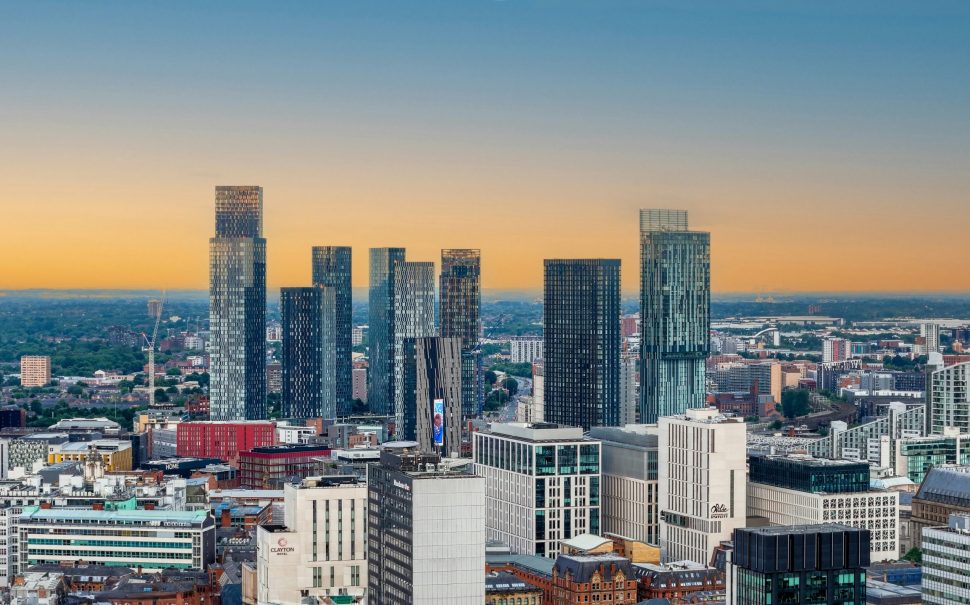
Manchester has never been short of ways to spend an evening or a weekend.
The city’s identity is closely tied to music, football, nightlife, culture and a strong sense of community, giving residents and visitors an unusually wide range of entertainment options.
What makes Manchester distinctive is how these different parts of city life overlap.
A football match can lead into a meal or a night out, while a concert can bring thousands of people into the centre and create extra footfall for bars, restaurants and transport providers.
At the same time, digital entertainment has added another layer to how people relax and socialise.
The result is a leisure culture that combines long-standing traditions with rapidly changing habits.
Football and sport remain at the heart of the city
Few cities are as closely associated with football as Manchester.
Matchdays bring energy to the streets, pubs and transport networks, with supporters gathering before and after games to discuss team news, performances and results.
The appeal of sport goes far beyond the stadium itself. Bars and pubs screening major fixtures benefit from increased footfall, while restaurants, cafés and shops can also see more customers when large numbers of supporters are moving around the city.
Football is only part of Manchester’s sporting landscape.
Cricket, cycling, running, boxing and grassroots sport all contribute to local leisure and community life.
Participation matters just as much as spectatorship, with amateur clubs and sporting events creating regular opportunities for people to meet, compete and stay active.
Technology has also changed the way fans engage with sport.
Live statistics, fantasy competitions, social media and streaming services now sit alongside traditional matchday experiences.
Supporters can follow games in greater detail than ever, analysing tactics and player performance in real time.
This digital layer has expanded the entertainment surrounding sport without replacing the importance of being there in person.
Music, nightlife and culture give Manchester its rhythm
Manchester’s music reputation is known far beyond the North West.
From historic venues and celebrated bands to emerging artists and major arena shows, live music remains one of the city’s biggest cultural attractions.
Concerts have a wider impact too. Fans often travel into Manchester early, eat locally and stay after performances, supporting hospitality and transport businesses throughout the city centre.
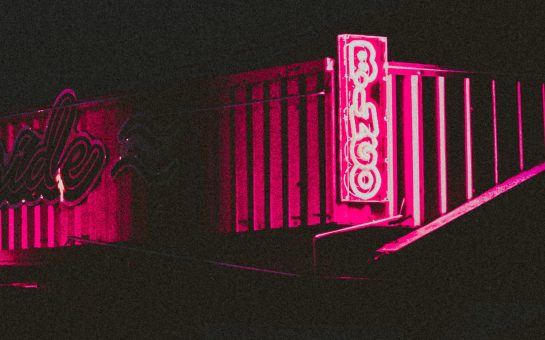
Nightlife offers similar variety. Traditional pubs, independent bars, clubs, comedy venues and late-night restaurants provide different experiences for different audiences.
Areas with their own distinctive character help ensure that Manchester’s evening economy is not dependent on one type of visitor.
Culture also extends into galleries, theatres, cinemas, museums and festivals.
These venues create reasons to visit the city throughout the year and offer alternatives to sport and nightlife.
Smaller events are just as important, from community arts projects to independent performances.
Manchester’s strength lies in this mix. Someone can spend an afternoon at an exhibition, watch a match, have dinner and finish the evening at a gig without leaving the city centre.
That concentration of entertainment makes Manchester particularly suited to spontaneous plans and multi-stop days out.
Digital entertainment is changing how free time is spent
Not all leisure now takes place outside the home. Streaming, gaming, social media and online communities have changed how people use their spare time, particularly during the evenings.
Digital gaming has become one of the largest entertainment categories, covering everything from casual mobile games and competitive esports to online multiplayer experiences.
Some adults also explore gambling-related entertainment, including areas such as crypto live casino games, although these remain just one small part of a much broader digital leisure landscape.
What is interesting is how physical and online entertainment increasingly complement each other. A football supporter might attend a match, discuss it online afterwards and watch highlights later that evening.
Music fans can discover artists through streaming before seeing them perform live. Restaurants, bars and venues also rely heavily on digital platforms to promote events and attract customers.
For Manchester businesses, this creates both opportunities and competition. Entertainment providers are no longer competing only with nearby venues; they are also competing with the convenience of staying at home.
That makes the quality of the real-world experience increasingly important. Atmosphere, social interaction and a sense of occasion are things digital services cannot fully reproduce.
Manchester continues to perform strongly in this respect because its entertainment culture is built around participation and shared experiences.
Sport brings supporters together, music creates collective moments, and nightlife provides spaces where people can meet and socialise.
Modern leisure may be more fragmented than it once was, but Manchester still offers something for almost every interest.
From packed stadiums and intimate music venues to cultural events and digital entertainment, the city continues to adapt without losing the character that makes its social life distinctive.
Feature image: Free to use from Unsplash