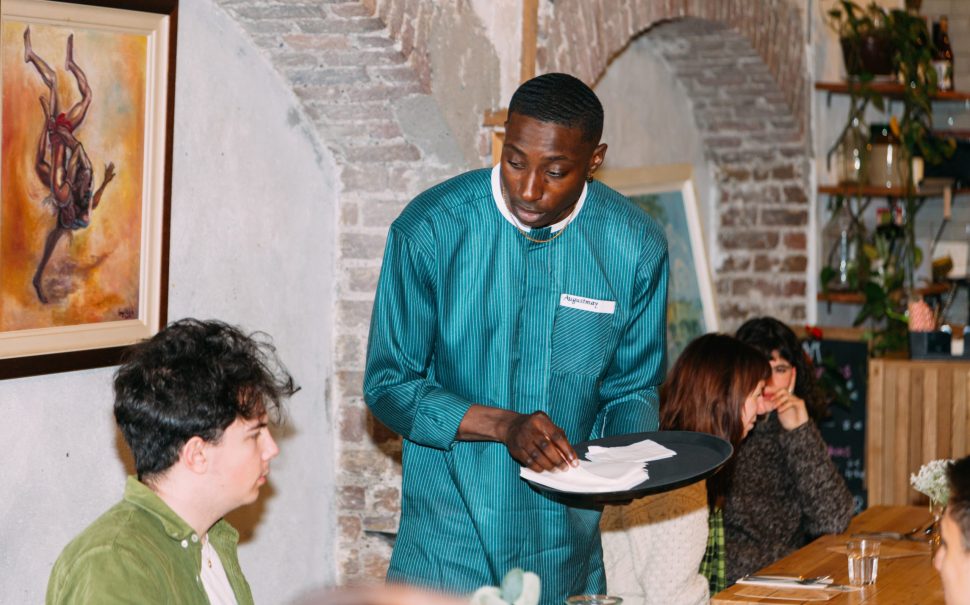
West African cuisine is finding a new place at the fine-dining table. For Tolu Asemota, founder of IBILE, the question is why it has taken so long to get there.
While working in hospitality in Los Angeles, Asemota, 31, noticed that Italian and French cuisines dominated fine dining, while African food remained comparatively underrepresented. He began to consider how the flavours and traditions he grew up with could be presented in a contemporary setting without losing their cultural roots.
The result was IBILE, which began with intimate pop-ups in Ireland and will open a three-month residency at Manchester’s Freight Island on 24 October.
“For me, really, it’s about bringing people into our culture,” Asemota said. “We have this energy that we create in our houses when we’re around the dinner table, having food. So, can we recreate that vibe, that energy, and bring it to a wider audience?”
Since launching, IBILE has expanded from supper clubs and tasting menus into festival catering and bespoke dining experiences, building a following largely through word of mouth. Collaborations have included Google and Soho House.
Manchester represents the next stage of that growth. Having previously worked at Ryanair, Asemota became familiar with the potential of expanding into cities beyond the largest markets. Manchester’s independent character and industrial heritage also appealed to him. “I felt as if we could plug into that scene,” he said.
At the heart of IBILE is a desire to challenge perceptions of West African food while making it accessible to diners unfamiliar with the cuisine.
“Everyone has their own biases, whether they like it or not,” Asemota said. “They just think it’s too spicy or they don’t like the way it’s presented.”
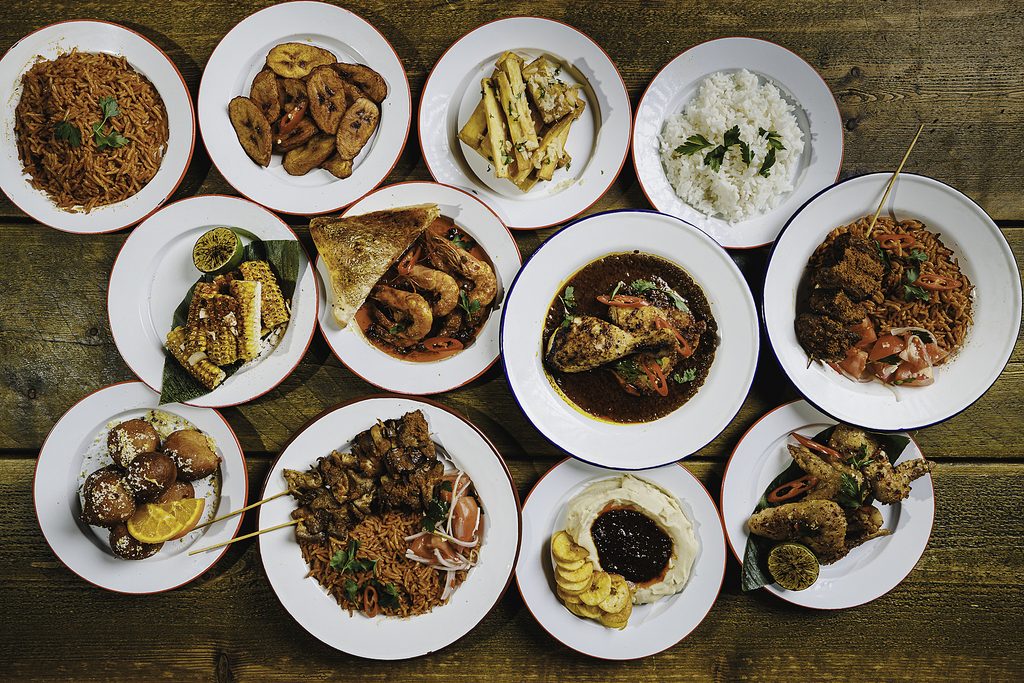
The menu, curated by Nigerian chef Suliat Bada, reimagines traditional dishes through contemporary presentation while preserving their familiar flavours. Ewa agoyin, a Nigerian dish of soft-cooked beans served with spicy stew, becomes a smooth, hummus-like dip topped with sauce and accompanied by plantain chips.
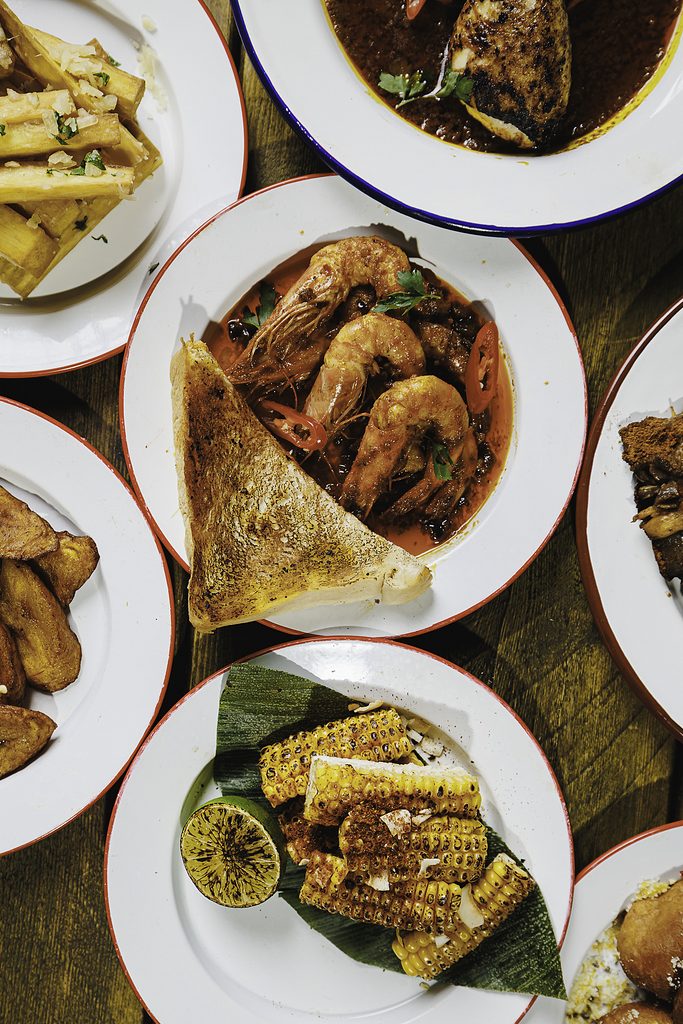
“For African people, they’ll be like, ‘Oh, my God, this looks different to how we do it at home, but it tastes the same,’” Asemota said.
Born in the United States and raised in Ireland in a Nigerian household, Asemota draws on his experience of navigating different cultures. He founded IBILE with his aunt, Olufunke Oroyinyin, who spent 18 years running a West African catering business, and chef Nehemie Kibabu. The name, a Yoruba word associated with indigeneity and belonging to the soil, reflects the project’s emphasis on heritage. Though rooted in Nigerian cooking, IBILE embraces the wider culinary traditions of West Africa.
Asemota cites London restaurant Gymkhana as an inspiration for its combination of refined cooking and an informal atmosphere. His ambition is to create what he calls a “fine-casual restaurant”, where food, art and music immerse diners in the culture without making them feel out of place.
Bookings are available through Freight Island and IBILE will welcome walk-in diners from Thursday to Sunday. A limited number of four-course tasting-menu evenings with wine and cocktail pairings will also be held before the end of the year.
For Asemota, the residency is one step towards a broader ambition: establishing West African cuisine within contemporary dining on its own terms, rather than asking it to conform to existing ideas of culinary prestige.
Featured image credit: Marc Hervé


Join the discussion